YC-2: our solution to the challenges of s-video
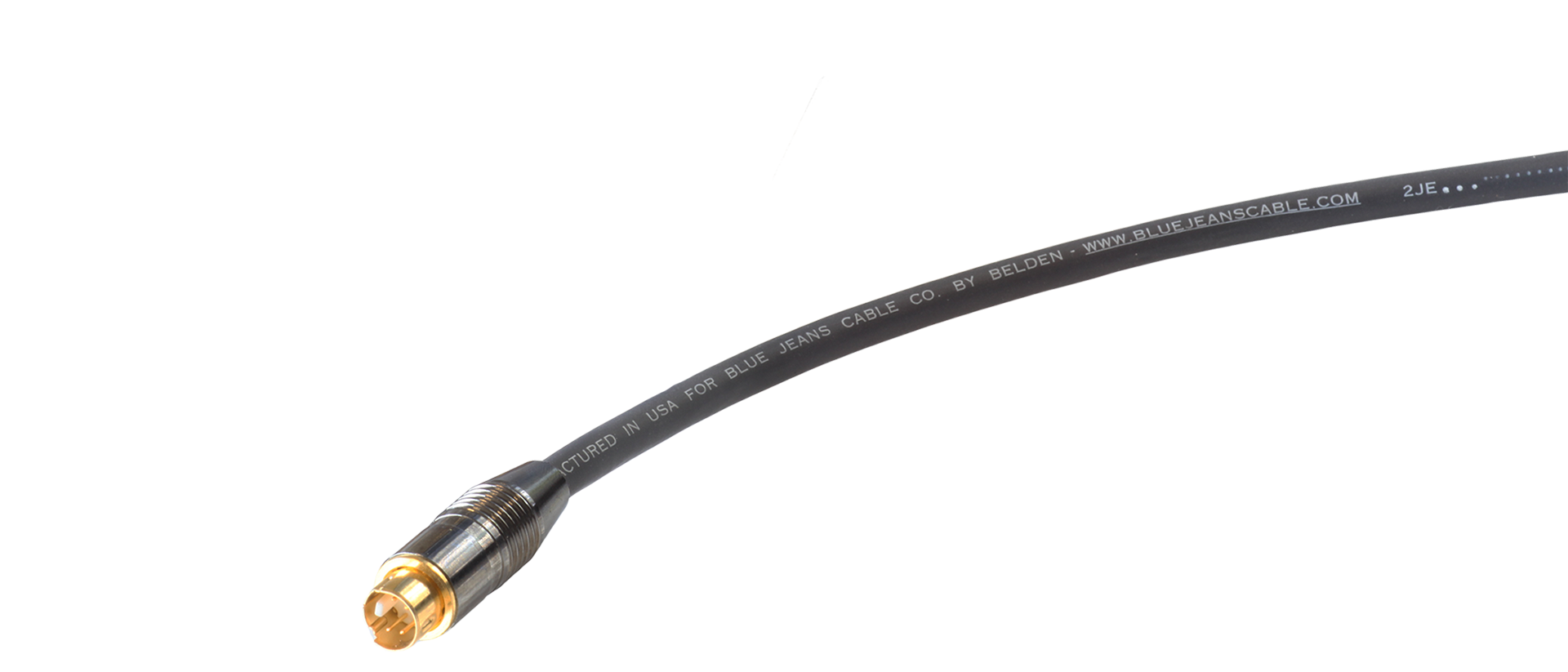
S-video cable presents a couple of basic problems, both related to size. Because s-video cable needs to be small to maintain high flexibility (so that the mini-DIN plugs, which have no grip mechanism, won't pry themselves out of equipment jacks) and to fit the limited available cable entry room in a mini-DIN connector, the tolerances in s-video cable typically aren't very tight--and the shielding often isn't what it should be. Where the usual s-video cable has stranded center conductors and loose "spiral" shielding, we decided to tighten things up for the sake of impedance stability and noise rejection. We made the center conductors solid rather than stranded, and we put a full foil-and-braid shield on each of the coaxes. The result, our custom YC-2 s-video cable, has a tighter impedance tolerance than most s-video cable (+/-3 ohms instead of 5) and improved shield effectiveness.
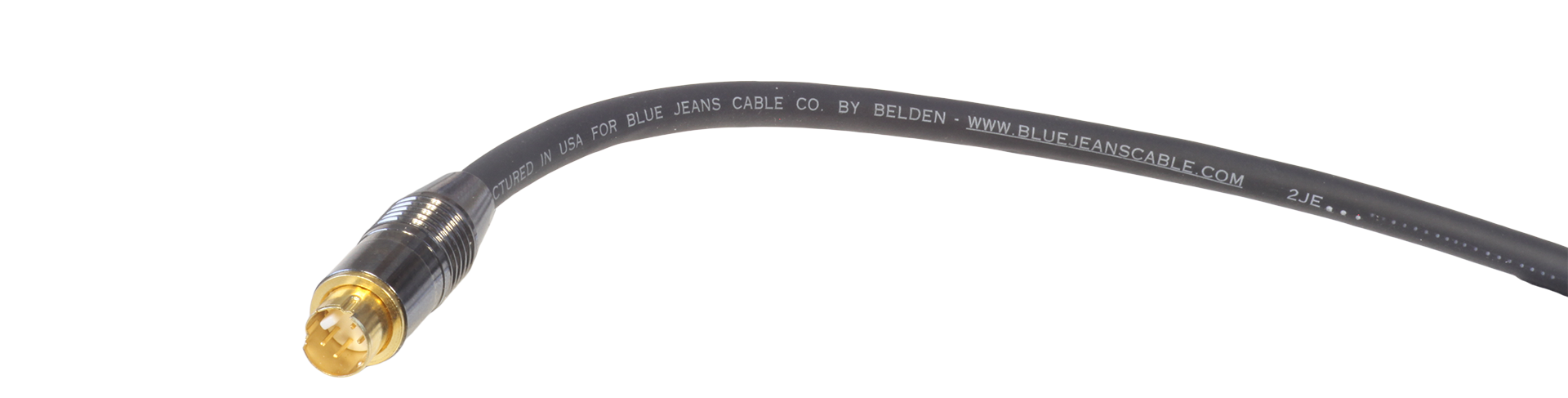
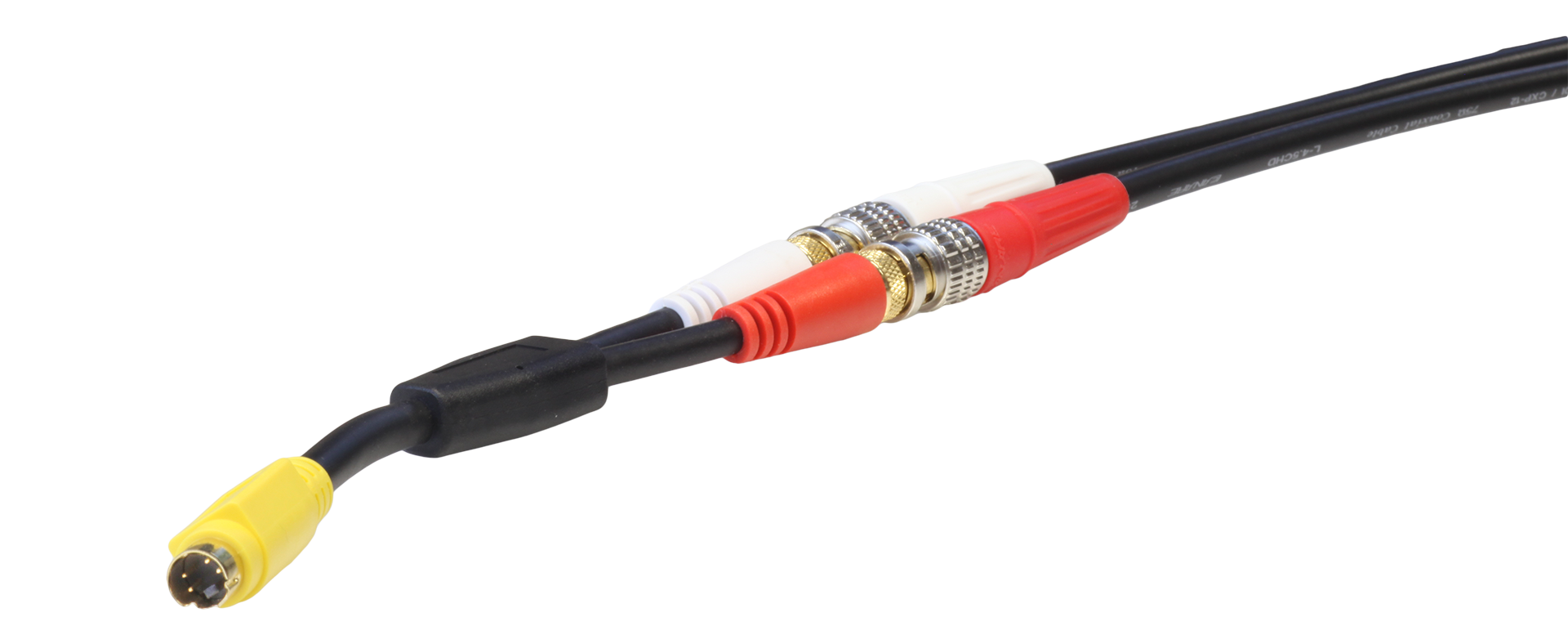
The Connectors:After reviewing many samples of 4-pin mini-DIN s-video plugs from a variety of manufacturers, we've had these s-video plugs made to our requirements. The pin body is strong, and the pins are as bend-resistant and migration-resistant as any we can find. Strain relief on the cable is highly effective, provided by a robust internal cable clamp which grips right in to the cable jacket, taking the stress of bending and pulling entirely off the solder joints. The pins and the outer contact surface are all gold-plated for solid, no-corrosion contact. We cut, terminate and test all of our s-video cables in our own shop in Seattle, Washington.



 S-Video Cable